
The Power of Breathwork: How Your Breath Can Rewire Your Nervous System
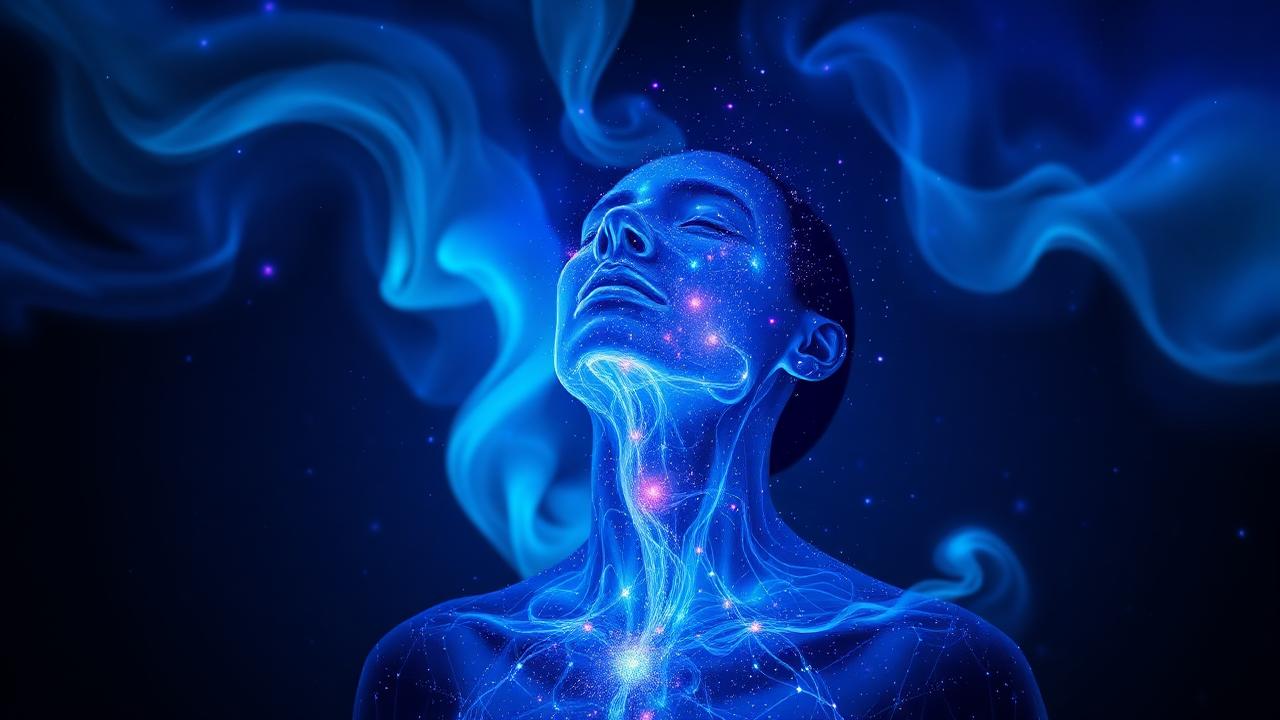
You take approximately 20,000 breaths a day. Most of them happen on autopilot. But what if each one was an opportunity? What if the most powerful transformation tool you have is literally happening inside your body right now — and you've been ignoring it your entire life?
The Science of Breath
Your breath is the only autonomic function you can also consciously control. That makes it a direct bridge between your conscious mind and your unconscious nervous system. When you change your breathing pattern, you send a signal to your brainstem that shifts your entire physiological state.
Slow, extended exhales activate the parasympathetic nervous system — your rest-and-digest mode. Fast, rhythmic breathing activates the sympathetic system and can access non-ordinary states of consciousness. This isn't metaphorical. It's measurable, repeatable, and scientifically documented.
Types of Breathwork
Box breathing (4-4-4-4). Inhale for 4 counts, hold for 4, exhale for 4, hold for 4. Used by Navy SEALs and first responders for acute stress management. Simple, effective, portable.
Physiological sigh (double inhale + long exhale). Discovered by Stanford researchers, this is the fastest known way to calm your nervous system in real time. Two quick inhales through the nose followed by one long exhale through the mouth.
Conscious connected breathing. Continuous circular breathing with no pauses between inhale and exhale. This is where things get deep. Extended sessions (20-60 minutes) can produce profound emotional releases, vivid imagery, and body-wide tingling that signals deep nervous system reorganization.
Holotropic breathwork. Developed by Stanislav Grof, this technique uses accelerated breathing and music to access non-ordinary states similar to psychedelic experiences — without any substances. We incorporate this into our workshops.
Breathwork and Trauma Release
Trauma lives in the body as held breath, constricted muscles, and a nervous system stuck in survival mode. Breathwork goes directly to the source. By changing your breathing pattern, you give your body permission to complete the survival responses that were interrupted during the original traumatic event.
This is why breathwork often produces intense emotional and physical releases — crying, shaking, laughing, screaming. These aren't signs that something is going wrong. They're signs that something is finally going right. Your body is releasing what it's been holding for years, sometimes decades.
For those processing experiences from psychedelic journeys, breathwork is an invaluable integration tool. It can access similar states of openness and insight without substances, helping deepen and stabilize the transformative work.
Starting Your Breathwork Practice
Begin with regulation. Before diving into deep breathwork, master the basics. Practice box breathing for 5 minutes daily. Do the physiological sigh whenever you feel stressed. Build a relationship with your breath as a tool.
Find a guide. Deep breathwork sessions are powerful and can surface intense material. Do your first sessions with an experienced facilitator who can hold safe space. Our breathwork workshops are designed exactly for this.
Combine with other practices. Breathwork pairs beautifully with shadow work, meditation, and movement. Use breath as the entry point, then let the other modalities deepen the process.
Experience the Power of Breath
Our workshops include guided breathwork sessions designed to release stored tension and access deeper states of awareness.
Book a Discovery CallKeep Reading
Psychedelic Integration in Las Vegas: Making the Medicine Last
The journey opens the door — integration is how you walk through it. What integration coaching is, why insight fades without it, and how to close the gap.
The First Step in Healing: Why Reaching Out Changes Everything
Healing doesn't begin with perfection. It begins with one brave decision to reach out and take action. Here's why the first step is the most powerful one.

The Integration Gap: What Happens After the Trip
The ceremony ends, the medicine fades — but the real work is just beginning. Here's your post-journey roadmap.